Most Payment Processors Provide Infrastructure, Not Accountability
Processors are great at moving money, but infrastructure is not the same as owning your payment outcomes. Learn why performance management requires a different approach.

Infrastructure vs Accountability
Processors are great at moving money. They keep systems online, maintain security controls, connect to card networks, and help you get live quickly. That infrastructure is essential, but it is not the same thing as owning your payment outcomes.
Many businesses assume their processor will manage performance the way a managed marketing partner manages leads. In reality, most processor relationships are designed to deliver reliable rails, not continuous improvement of approval rates, fraud outcomes, and total cost.
What Infrastructure Covers
Infrastructure work is table stakes:
- Uptime and redundancy
- Tokenization and encryption
- Network connectivity
- PCI and compliance support
- Standard reporting and settlement
- Technical troubleshooting
This is valuable. It also explains why a payments stack can be "fine" while performance quietly deteriorates. Your gateway can have near perfect uptime while your authorization rate drops, chargebacks increase, or fees creep upward.
Performance Management Is Different Work
Payment performance improves when someone regularly asks and answers questions like:
- Which issuers are driving declines this month?
- Which decline reasons are recoverable vs not?
- Which routes approve best for which segments?
- Which fraud rules cause the most false positives?
- Where are we missing interchange qualification?
Processors provide data, but they rarely do this account specific work as part of standard service. Even when the expertise exists inside the processor, it is applied to the platform overall, not to your unique patterns.
Authorization optimization
Approvals vary by card brand, issuer, geography, channel, and ticket size. Improving them requires segmentation, analysis, and testing. Without that cadence, you only notice problems when revenue feels off.
Fraud tuning
Fraud is a balance problem. Too loose and losses rise. Too strict and you block good customers and increase support tickets. A tailored approach to fraud risk monitoring reduces losses and reduces false positives by tuning to your customers, not industry averages.
Interchange and fee optimization
Costs depend on data fields, settlement timing, card mix, and contract structure. A processor can generate statements, but statement visibility does not automatically lead to lower blended cost. Someone has to audit, compare, and act.
Incentives Do Not Naturally Push Optimization
Processors earn on volume and contracted fees. That does not make them adversarial, but it does mean optimization is rarely urgent for them. Lowering your blended cost, improving interchange qualification, or redesigning routing logic takes expert time, and that time is usually allocated to keeping the platform stable for everyone.
If you want continuous improvement, you need an engagement model where someone is measured on your outcomes.
Want a partner measured on outcomes instead of uptime? Contact the Paymetrics team for a performance review of a current processing setup, or apply for a merchant account that includes a named account contact from day one.
Why "Standard Settings" Persist
Processors serve large markets, so defaults are built to fit most accounts reasonably well. That makes onboarding simple and reduces support burden. The tradeoff is that one size fits most, not best.
Routing is often the clearest example. A simple route can be stable but suboptimal. Retry logic is another. Fixed retry timing treats all declines the same, even though decline reasons vary and recovery strategies should vary too.
Reporting Is Not Analysis
Dashboards show what happened. Optimization requires deciding why it happened and what to do next. A clean analytics dashboard makes patterns easier to spot, but someone still has to own the weekly review, the test plan, and the follow up.
If nobody is accountable, reports become a monthly ritual where metrics are observed but not improved.
Support Is Not Strategy
Processor support helps you fix specific incidents: a webhook failing, a settlement question, a transaction error code. That is operational support. Strategy is different: proactive review of trends, identification of opportunities, controlled experiments, and outcome tracking.
Most businesses do not receive that strategic layer unless they pay for it explicitly or build it internally.
What Accountability Looks Like in Practice
Accountability means:
- A named owner for payment outcomes, not just payment operations
- Regular performance reviews with clear metrics and thresholds
- A prioritized backlog of improvements and tests
- Staged rollouts with measurement and rollback plans
- Cross functional coordination with finance, product, support, and engineering
That is hard to run as a side project. It needs a dedicated operator or partner.
Closing the Gap
If you process meaningful volume, the gap between infrastructure and accountability becomes expensive. The fix is not necessarily switching processors. The fix is adding ownership for performance management.
Some companies hire internally. Others bring in a managed partner. Done well, consulting fills the ownership gap by combining analysis, playbooks, and execution support across teams.
A practical first step takes one week, not one quarter.
- Pull the last 3 monthly statements and calculate the effective rate
- Export decline reasons for the last 90 days and rank them by count
- List every fraud rule currently active and when each was last reviewed
Those three artifacts tell you whether the gap between infrastructure and accountability is costing real money, and they take an afternoon to assemble with the right reporting access.
Processors will continue to be the rails. Accountability is the layer that makes those rails perform at their best for your business.
Table of Contents
Subscribe to our newsletter
Get the latest insights and updates delivered to your inbox.

Understanding Your Payment Processing Fees
Most companies set up payments once and move on. Learn why "good enough" stays in place for years, and how small payment improvements can add meaningful revenue.
What Is a Payment Facilitator (PayFac)?
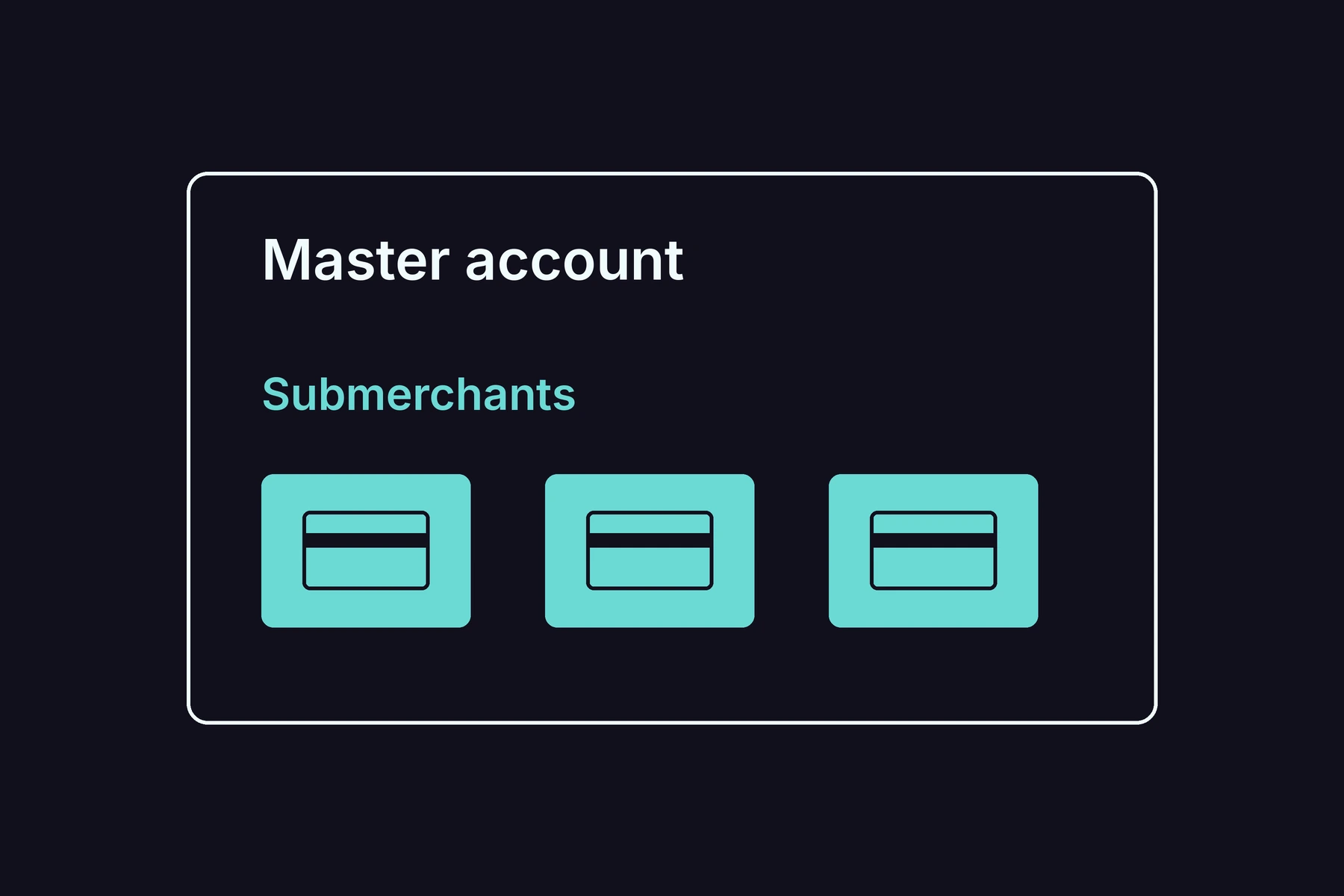
A payment facilitator, commonly shortened to PayFac, is a company that holds a master merchant account and onboards other businesses as submerchants underneath it.

How to Calculate Credit Card Processing Fees: The 3-Step Method We Use on Every Statement Audit
Calculate your effective processing rate in three steps, compare healthy ranges, and find hidden costs on merchant statements.