How Long Do Credit Card Refunds Take to Process? What We See on Both Sides of the Transaction
See how long credit card refunds take, where delays happen, and what merchants can do to set clearer customer expectations.

Credit card refunds take 5 to 10 business days to appear on a customer's statement, even though the merchant initiates the refund in seconds. The gap exists because refunds travel the same settlement rails as purchases, then wait on the issuing bank to post the credit.
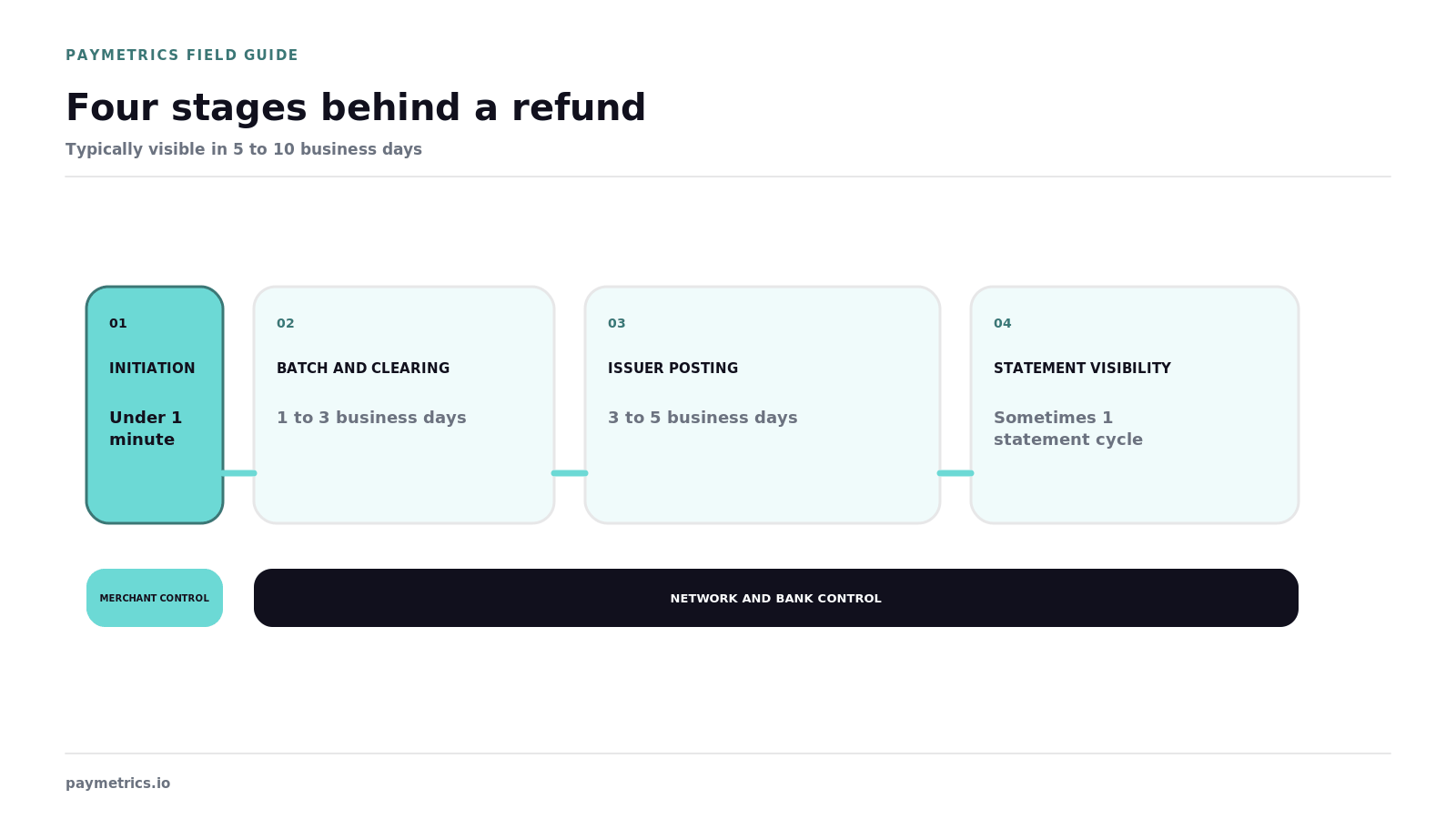
What Are the 4 Stages of a Refund?
A refund passes through 4 stages before the customer sees money back:
1. Initiation: the merchant issues the refund at the POS or gateway in under 1 minute
2. Batch and clearing: the refund clears with the next settlement batch in 1 to 3 business days
3. Issuer posting: the customer's bank receives and posts the credit in 3 to 5 business days
4. Statement visibility: the credit appears, sometimes 1 cycle later on paper statements
Merchants control only stage 1. The remaining 7 to 9 days belong to the networks and banks, which is worth explaining to customers at the counter.
Why Do Some Refunds Take 2 Weeks or More?
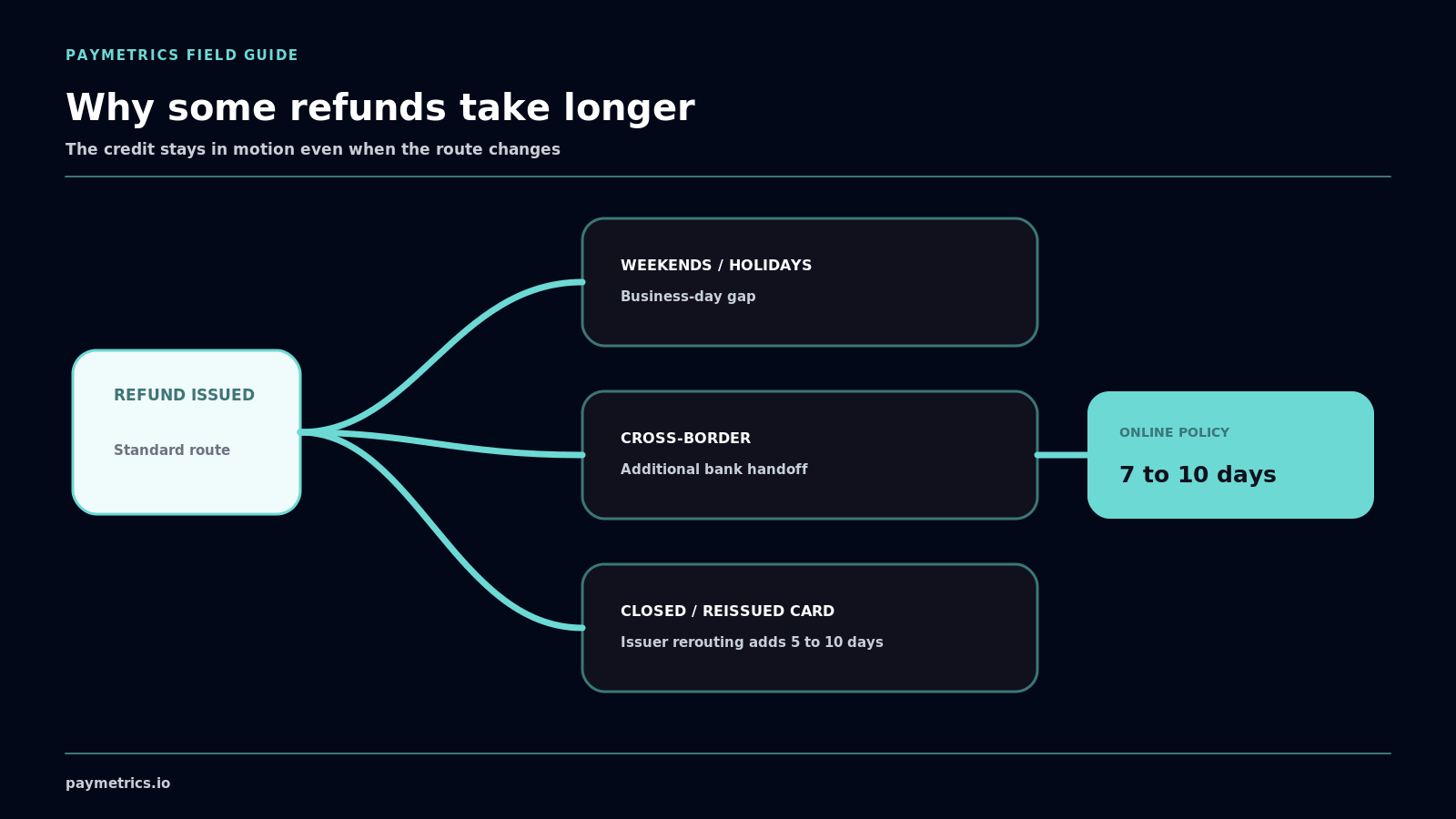
Refunds stretch past 10 days for 3 reasons: weekend and holiday gaps, cross-border transactions, and refunds issued to closed or reissued cards. Refunds to a canceled card do not vanish, but the issuing bank reroutes the credit, adding 5 to 10 extra days.
Card-not-present refunds through a virtual terminal or ecommerce payment gateway also clear on standard timelines, so online sellers should publish a 7-to-10-day expectation in their refund policy.
Do Merchants Get Their Processing Fees Back on Refunds?
Usually no, most processors keep the original transaction fees when you refund a sale, and some charge an additional refund fee. On a $200 refund at 2.9%, the merchant loses $5.80 twice over: once as unrecovered fees and once as the lost sale.
This fee treatment varies by processor and is negotiable, which is one reason we push merchants to read contracts closely rather than assume, a theme we expand on in payment processors sell infrastructure, not accountability.
How Do Fast Refunds Prevent Chargebacks?
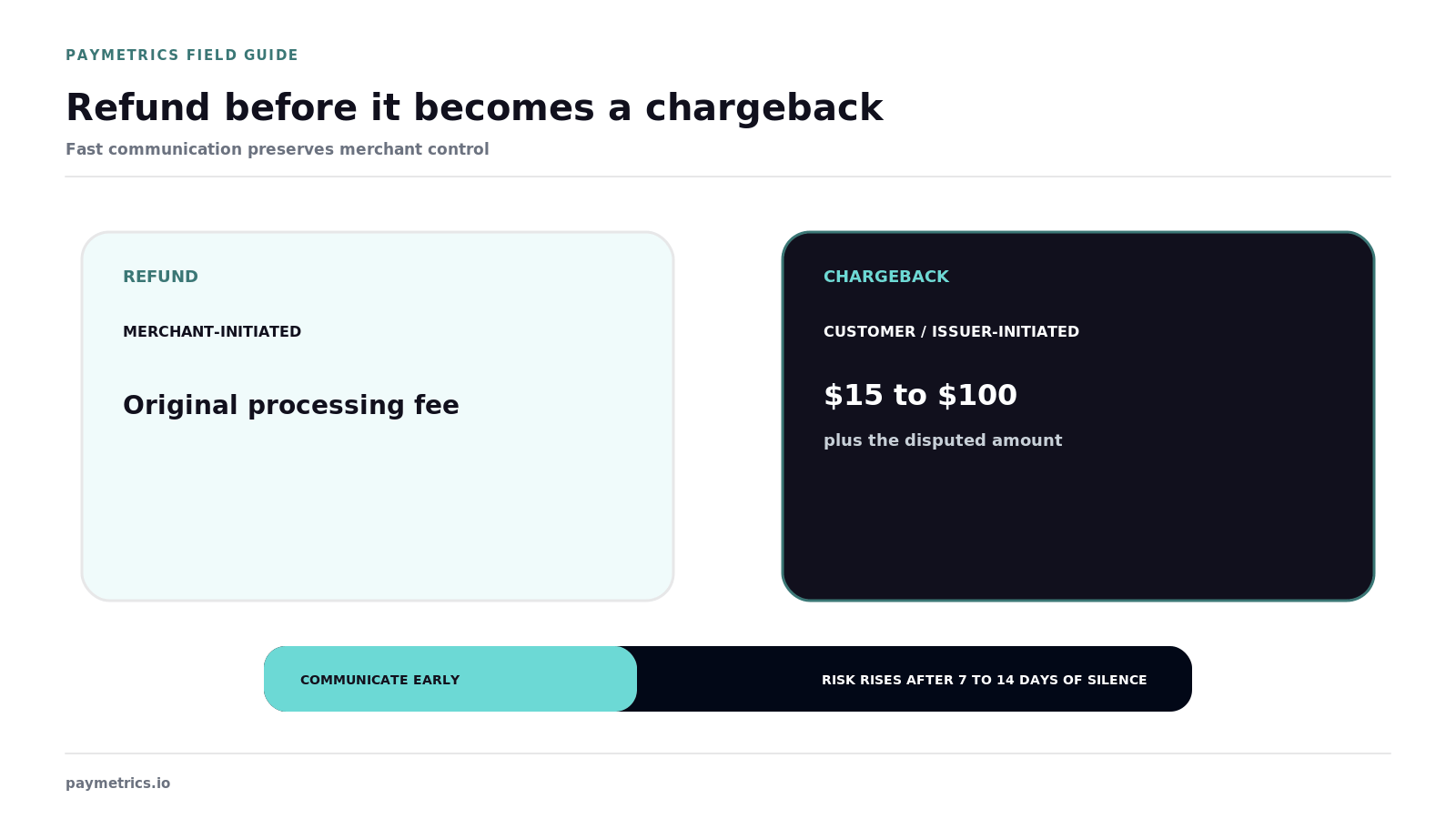
Fast refunds prevent chargebacks because customers dispute charges when refunds feel stalled, typically after 7 to 14 days of silence. A dispute costs a $20 to $50 fee plus the sale, and repeated disputes threaten the account, because chargebacks and declines are operational problems processors track closely.
How Should You Communicate Refund Timing to Customers?
Communicate refund timing with 1 sentence at the moment of refund: your refund is issued now and typically appears in 5 to 10 business days depending on your bank. That sentence, printed on the receipt and repeated verbally, eliminates most anxious follow-up calls.
Put the same language in your posted refund policy and online checkout. Customers accept known timelines; they dispute silent ones.
How Do Refund Timelines Differ by Card Network?
Visa and Mastercard refunds typically post in 3 to 7 business days, while American Express often posts in 2 to 5 and some debit refunds appear in 1 to 3. The variation comes from issuer posting practices, not from anything the merchant controls, which is another reason to quote the conservative 5-to-10-day range.
How Do Refunds Affect Your Fees and Deposits?
Refunds reduce your next deposit by the refunded amount, and most processors do not return the original transaction fee. A refunded $100 sale costs roughly $2.50 in unrecovered processing even though the revenue is gone.
That asymmetry is why we push merchants toward voiding same-day transactions instead of refunding them. A void cancels the transaction before batch and returns the fee, and the difference across a year of returns is real money.
How Do Refunds Differ From Chargebacks?
Refunds are merchant-initiated and cost only the original processing fee, while chargebacks are customer-initiated through the issuing bank and carry fees of $15 to $100 plus the disputed amount. Processing a fast refund is nearly always cheaper than defending a dispute, which is why responsive refund handling is a cost control measure, not just customer service.
Related Refund Questions Merchants Ask
Can a POS Speed Up Refund Handling?
Yes, an integrated POS system issues same-day refunds against the original transaction record, eliminating keying errors that add days.
How Should Recurring Charges Be Refunded?
Refund subscription charges through the recurring billing platform, not manually, so the underlying schedule is paused and the refund does not repeat next cycle.
Table of Contents
Subscribe to our newsletter
Get the latest insights and updates delivered to your inbox.

What Is a Chargeback? A Merchant’s Guide
Learn how chargebacks differ from refunds, how the dispute process works, and which evidence and prevention controls protect merchants.
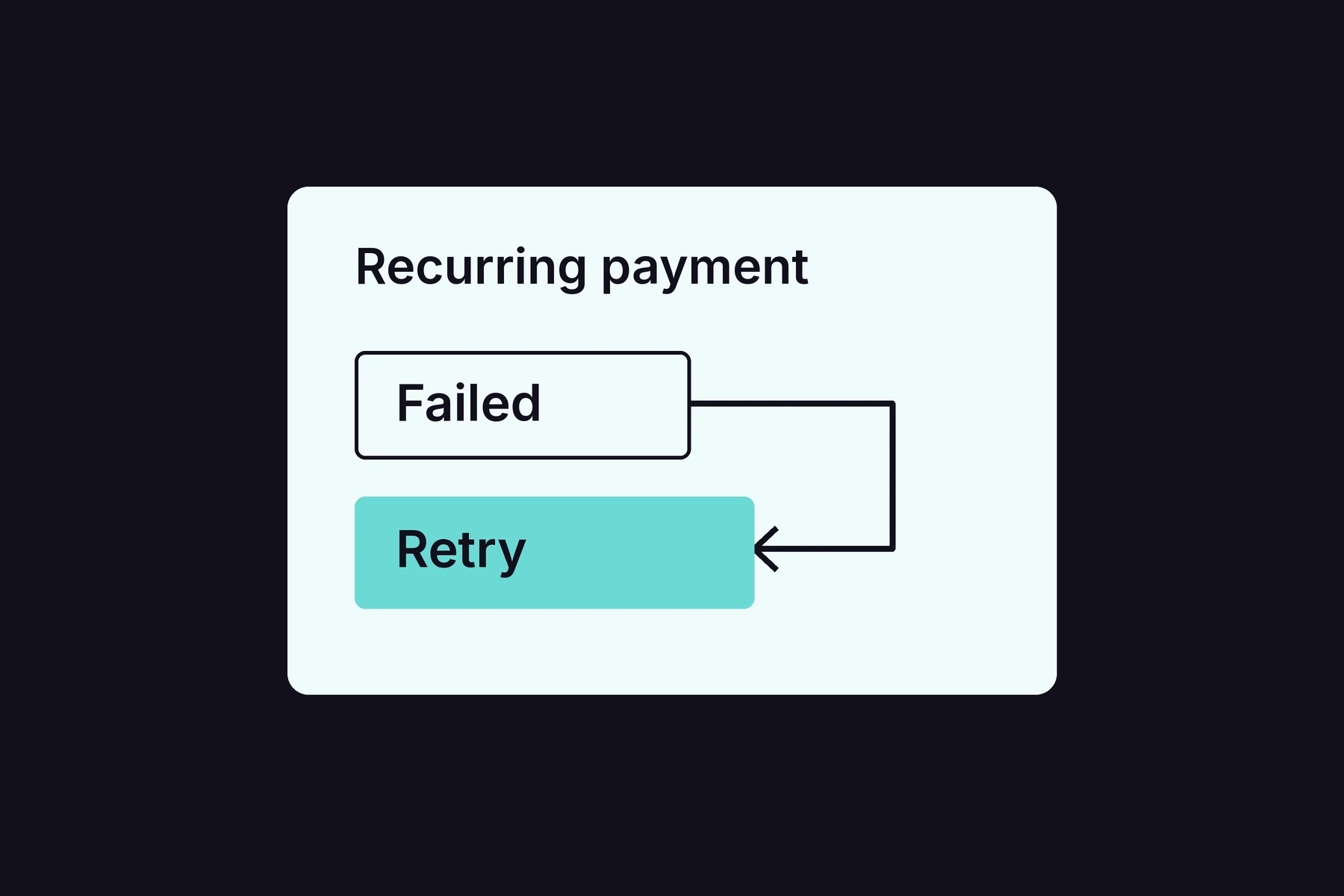
How to Choose Recurring Billing Software
Recurring billing software is evaluated on how it handles failed payments, plan changes, and processor flexibility rather than on how the checkout page looks.
What Is a Payment Gateway? An Explainer From the Team That Configures Them Every Day
Learn what a payment gateway does during checkout, how it protects data, routes transactions, stores tokens, and adds cost.