What Is the Best Credit Card Processing for Small Business?
Compare small business credit card processing on effective rate, payment channels, approval speed, and support, plus what to do after a decline.

The best credit card processing for a small business comes down to four factors, transparent pricing, the right acceptance method for how customers pay, fast approval, and support that responds when something breaks. No single processor is best for every business, but the criteria that separate a good fit from a bad one stay the same across industries. Paymetrics groups every acceptance method into one solutions lineup so a business is not piecing together hardware, software, and support from three different vendors.
How Should a Small Business Compare Processing Rates?
A small business should compare processors on effective rate, not the advertised rate.
- Interchange-plus pricing shows the true markup above card network costs
- Flat-rate pricing bundles the markup into one number, which costs more at higher volume
- Monthly minimums and PCI compliance fees quietly raise the effective rate
- Early termination fees signal a longer contract term than advertised
The advertised rate on a website rarely matches what shows up on a monthly statement once these add-ons are included. A processor unwilling to show interchange-plus pricing in writing before approval is usually hiding a worse effective rate behind a simpler-looking number.
How Much Does Credit Card Processing Cost a Small Business Each Month?
A small business paying an effective rate between 2.5 and 3.5 percent of card volume is in the normal range, and anything above 4 percent deserves a statement review. On $30,000 in monthly card sales, the difference between a 2.7 percent and a 3.6 percent effective rate is $270 every month, or $3,240 a year, before a single piece of hardware is replaced.
Three line items drive most of that spread.
- Markup above interchange, the only part of the rate a processor controls
- Statement, batch, and PCI fees that apply regardless of volume
- Downgrade surcharges on keyed or mismatched transactions
Pulling the last three monthly statements and dividing total fees by total card volume produces the effective rate in under 10 minutes, and that single number makes every processor comparison honest.
Which Payment Methods Does a Small Business Actually Need?
Most small businesses need at least two of four core setups.
- A POS system for in-person retail or restaurant transactions
- A virtual terminal for phone and mail orders
- E-commerce solutions for an online store checkout
- Mobile payments for pop-ups, markets, and field service
A business that only sets up one of these ends up manually keying orders that belong on a different tool, which slows down checkout and raises the processing rate on those transactions.
Unsure which acceptance mix fits a specific business? Apply for a merchant account and an advisor maps the right setup during underwriting, or contact the Paymetrics team with a recent statement for a line-by-line comparison.
How Fast Should Approval Take?
Most standard small business applications clear within 24 hours when the application is complete. Longer timelines almost always trace back to missing documentation, not a slow processor. A business bank statement, a voided check, and a government-issued ID for the owner cover most of what underwriting needs on the first pass.
What Happens If a Small Business Gets Declined for Processing?
A decline is not permanent. Most standard declines trace back to one of three issues.
- Time in business under 6 months, which some processors treat as unproven
- A prior processing relationship that ended with unresolved chargebacks
- An industry classification that falls outside a processor's standard risk appetite
A business declined over its industry classification is not out of options. A dedicated high-risk program exists for exactly these cases, with adjusted pricing and reserve terms in place of an outright decline.
What Support Should a Small Business Expect After Approval?
A small business should expect a named point of contact, not a ticket number. A processor that can move money reliably can still leave a business without anyone accountable when a rate creeps up or a dispute goes sideways.
A named contact changes three specific situations. A disputed charge gets a same-day response instead of a queue position. A rate increase gets an explanation tied to the contract instead of a form letter. A hardware failure gets a replacement shipped before the weekend rush instead of after it.
Most Payment Processors Provide Infrastructure, Not Accountability
Most Payment Processors Provide Infrastructure, Not Accountability breaks down the difference between a processor that just runs transactions and one that actually manages performance over time.
What Does Dual Pricing Do to Processing Costs?
Dual pricing shifts most or all of the card processing fee onto the customer paying by card instead of the business absorbing it as overhead. What Is Dual Pricing Credit Card Processing? covers how the pricing model works and what disclosure rules apply before a business posts dual pricing signage.
How Does Recurring Revenue Change the Right Processor Fit?
A business collecting subscription or membership revenue needs recurring billing built into the account, not bolted on through manually re-run cards. That single difference determines whether failed payments get caught automatically or turn into cancellations a business never meant to lose.
Is Paymetrics a Good Fit for Small Business Processing?
Paymetrics approves most small business merchants within 24 hours, publishes interchange-plus pricing without hidden monthly minimums, and supports POS, virtual terminal, e-commerce, and mobile payments on one account with a dedicated support contact rather than a rotating call queue. Apply now to compare current rates against a recent statement.
Table of Contents
Subscribe to our newsletter
Get the latest insights and updates delivered to your inbox.
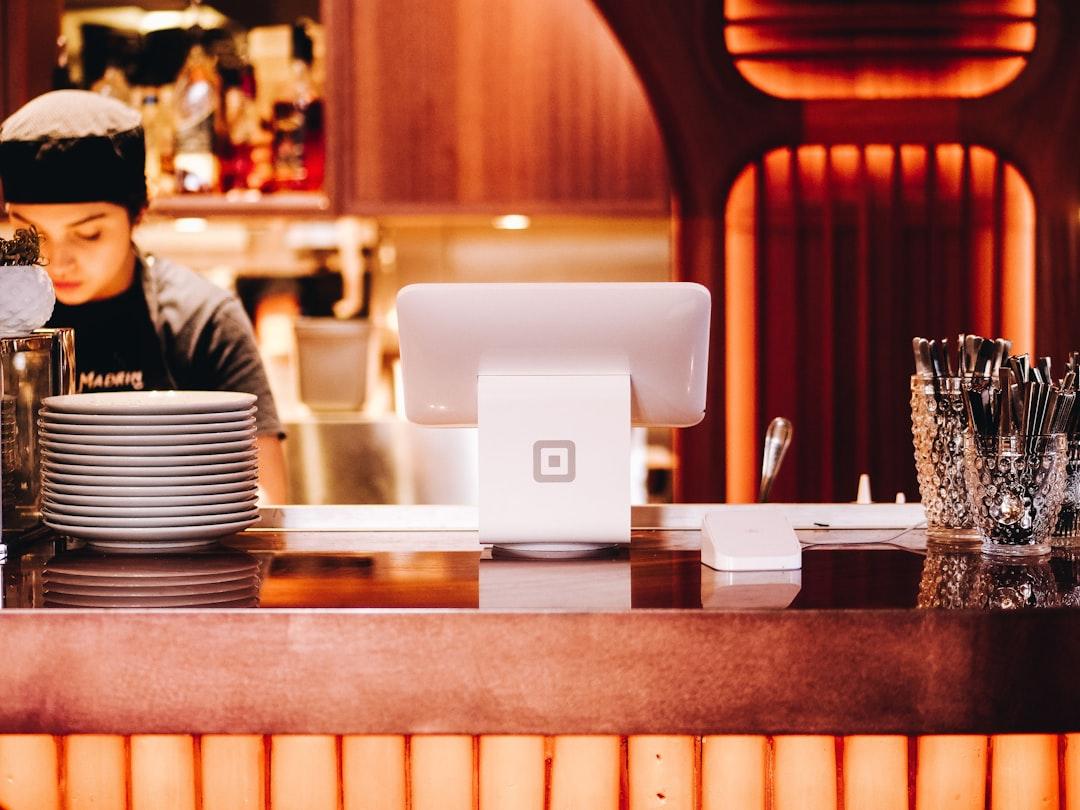
What Is a POS System for Restaurants?
See what a restaurant POS system does, how tableside payment works, and what to look for beyond basic order and payment processing.
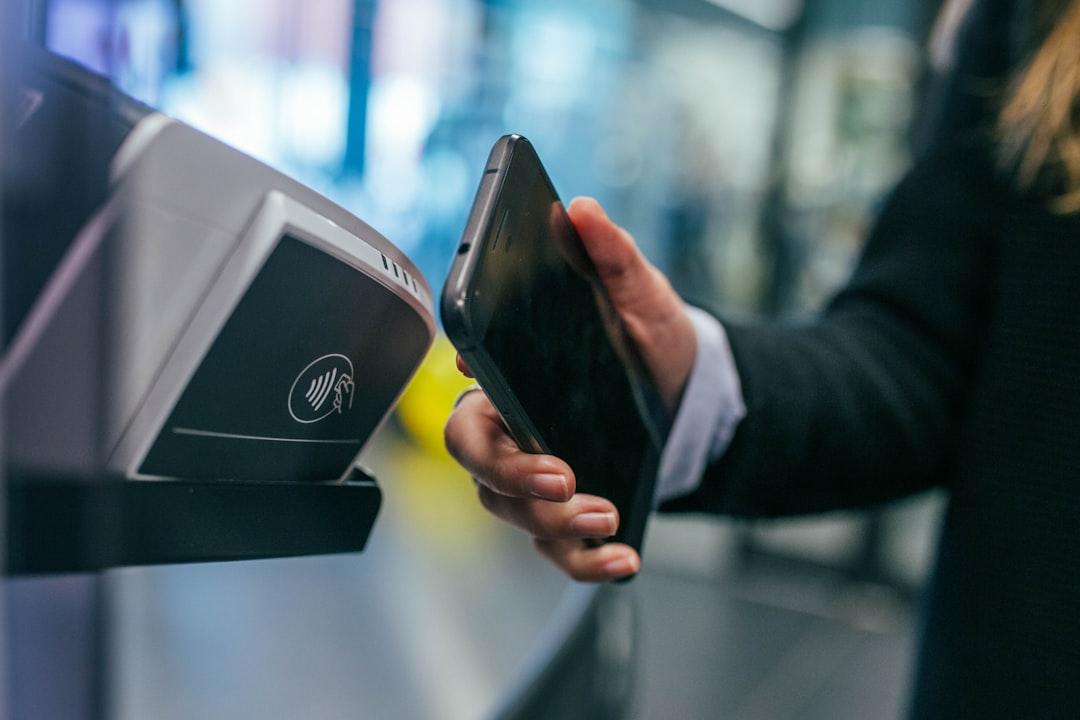
What Are MOTO Payments?
Learn what MOTO payments are, which industries rely on them, and what PCI rules apply when a business keys in a card over the phone or by mail.
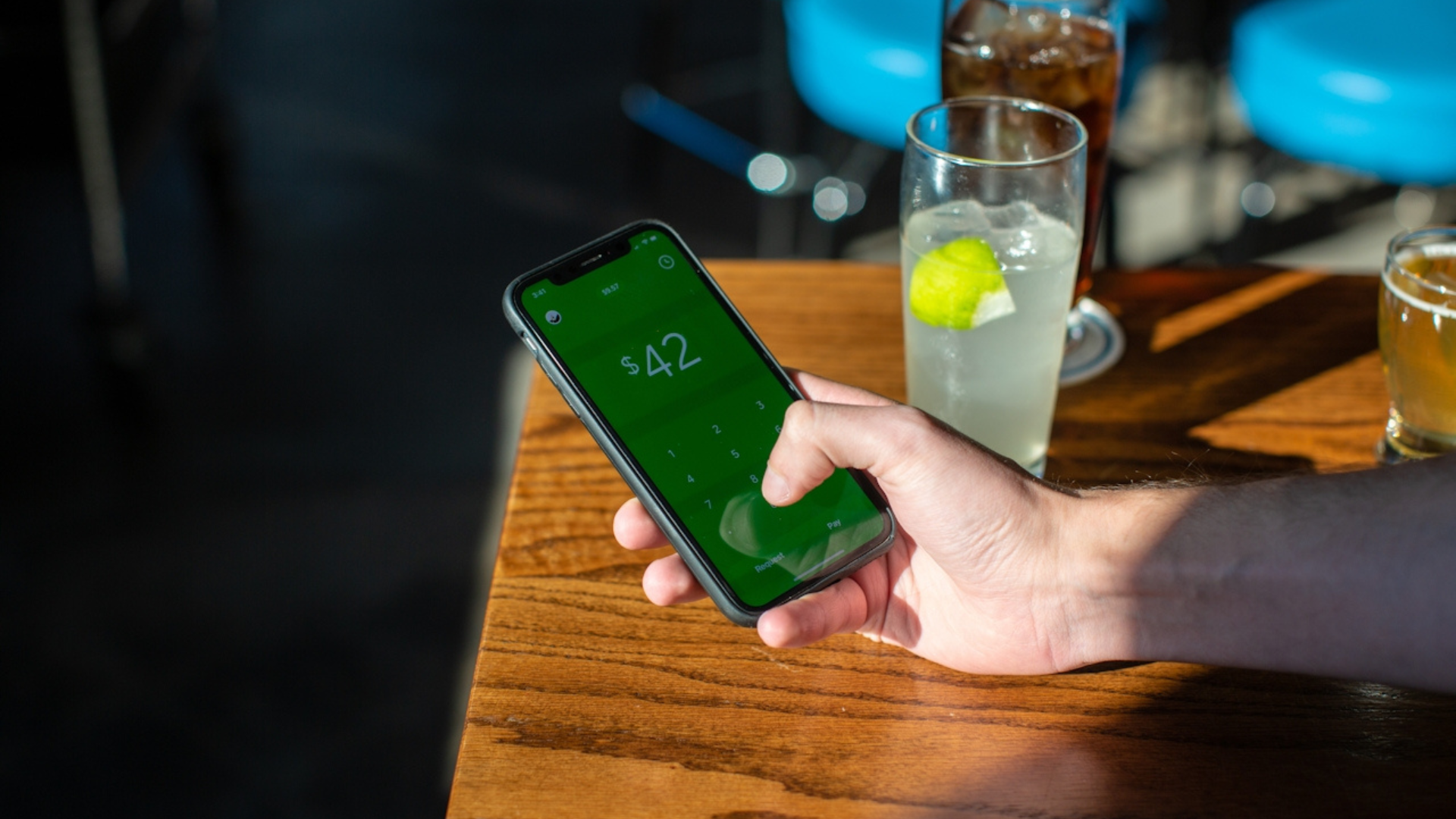
Why Chargebacks and Declines Are Operational Problems, Not Just Payment Issues
Chargebacks and declines appear in payment dashboards, but they rarely originate inside the payment system itself. Learn how to treat payment failures as operational feedback signals.